
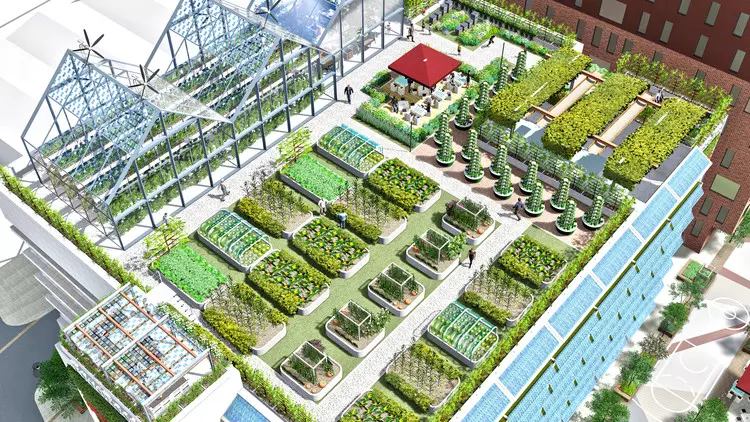
For much of the modern era, the ideal neighborhood has been defined by quiet streets, private lawns, and a clear separation between where people live and where food is grown. That model is now being challenged by a different vision: the agrihood. Short for “agricultural neighborhood,” an agrihood places a working farm, ranch, orchard, or food production system at the center of a residential community. It is not merely a housing development with a few raised beds. It is a planned approach to living that treats food, land, community, and daily life as connected systems.
As cities face climate uncertainty, rising food costs, loneliness, and pressure on natural resources, agrihoods are gaining attention from developers, planners, investors, and families. They promise something rare: a neighborhood that produces food, builds social ties, restores ecosystems, and offers a healthier rhythm of life. Whether they can deliver on that promise at scale is one of the most important questions in sustainable urban development today.
What Exactly Is an Agrihood?
An agrihood is a residential community designed around agriculture. The farm is not an afterthought or a decorative amenity. It is the organizing feature. Homes are clustered to preserve open space, and residents often have access to fresh produce, farm events, educational programs, and shared outdoor areas. Depending on the project, the farm may be commercial, nonprofit, cooperatively managed, or operated by a land trust.
Agrihoods can be found in rural areas, on the urban fringe, and even within cities. Some are large, with thousands of homes and hundreds of acres of protected land. Others are small, with a few dozen households and a intensive market garden. The common thread is a commitment to integrating food production into the fabric of everyday life.
The concept draws from older ideas. Ebenezer Howard’s Garden City movement sought to combine town and country. Co-housing communities emphasized shared spaces and cooperation. Eco-villages experimented with low-impact living. Agrarian utopias have appeared in literature and social movements for centuries. Modern agrihoods update these ideas with contemporary planning, finance, and technology.
Why Agrihoods Are Emerging Now
Several forces are pushing agrihoods from niche experiment to mainstream interest.
A. Climate concerns are making local food systems more attractive. Long supply chains are vulnerable to drought, floods, strikes, and geopolitical shocks. A community with its own farm has a buffer, however modest.
B. Health awareness is growing. People want fresh, nutrient-dense food and more daily movement. A neighborhood designed for walking, gardening, and outdoor work supports both.
C. Social isolation is a public health issue. Many suburbs and apartment towers offer privacy but little connection. Agrihoods create repeated, low-pressure interactions through farm chores, harvest days, and shared meals.
D. Housing preferences are shifting. A segment of buyers and renters values experiences, nature, and purpose over larger lawns and longer commutes. Developers have noticed that farms can be a powerful marketing anchor.
E. Technology makes small-scale farming more viable. Sensors, drip irrigation, data-driven crop planning, and online sales platforms help farmers manage land with less waste and better yields.
Core Features of a Successful Agrihood
Not every agrihood looks the same, but strong examples tend to share several features.
A. A working farm or food production system. This may include vegetables, fruit trees, herbs, eggs, dairy, mushrooms, or value-added products. The farm should be economically or socially viable, not just symbolic.
B. A mix of housing types. Agrihoods often include single-family homes, townhouses, cottages, and apartments. A range of price points and rental options helps prevent the community from becoming exclusive.
C. Shared amenities. Barns, commercial kitchens, packing sheds, greenhouses, trails, picnic areas, and community gardens turn food production into a social activity.
D. Education and participation. Workshops, internships, school visits, volunteer days, and farm-to-table dinners help residents understand where food comes from and how much work it takes.
E. Conservation and open space. Protected farmland, native plantings, wetlands, and wildlife corridors are central. The goal is not to pave over nature but to work with it.
F. Governance and long-term management. Someone must manage the farm, maintain common areas, and resolve conflicts. Clear rules, professional management, and resident involvement are essential.
How Agrihoods Differ from Other Concepts
Agrihoods are sometimes confused with related ideas, but the differences matter.
A. Compared with conventional suburbs, agrihoods replace ornamental lawns with productive landscapes. They prioritize walking, shared spaces, and food systems rather than car-dependent isolation.
B. Compared with urban farms, agrihoods include housing. An urban farm may grow food on vacant land, but an agrihood integrates residents into the farm’s daily life and long-term future.
C. Compared with eco-villages, agrihoods focus more specifically on agriculture. Eco-villages may emphasize renewable energy, consensus decision-making, or alternative lifestyles. Agrihoods can include those elements, but food is the anchor.
D. Compared with traditional rural living, agrihoods cluster homes to preserve farmland. Instead of spreading houses across acres, they concentrate development and leave more land for production and nature.
The Benefits of Agrihood Living
Agrihoods offer a wide range of potential benefits. They are not perfect, but they address several problems at once.
Environmental Benefits
A. Local food production reduces transportation emissions, packaging waste, and cold storage demands. Even when a farm does not feed all residents, it shortens the distance between field and plate.
B. Regenerative practices can improve soil health. Cover crops, compost, crop rotation, and minimal tillage help store carbon and support biodiversity.
C. Green space and native plants support pollinators, birds, and other wildlife. A farm integrated with hedgerows, ponds, and woodlands can become a small ecosystem.
D. Water management improves when landscapes are designed to absorb rain. Rain gardens, swales, and permeable surfaces reduce runoff and recharge groundwater.
E. Lower lawn maintenance means fewer chemicals. Conventional lawns often rely on fertilizers, herbicides, and gas-powered equipment. Productive landscapes can reduce that burden.
Economic Benefits
A. Farms create jobs. Depending on scale, an agrihood farm may employ growers, educators, chefs, marketers, and maintenance staff.
B. Agritourism adds revenue. Farm dinners, u-pick events, workshops, and farm stands can attract visitors and support local businesses.
C. Property values may rise. Studies of some agrihoods suggest that proximity to a working farm and protected open space can command a premium. This benefits developers, though it can also raise affordability concerns.
D. Local food spending stays in the community. Money spent at a farm stand or CSA often circulates locally rather than going to distant corporations.
E. Households may save on food and transportation. When residents can walk to a farm stand and grow some of their own food, everyday costs can fall.
Social Benefits
A. Shared work builds relationships. Harvesting, planting, and composting create natural opportunities for conversation and cooperation.
B. Intergenerational learning flourishes. Children, adults, and older residents can teach and learn from one another.
C. Community events reduce isolation. Potlucks, farm tours, and seasonal festivals give neighbors a reason to gather.
D. Food literacy improves. People learn how food is grown, when it is in season, and how to prepare it.
E. Civic participation grows. Managing a farm or community garden requires communication, compromise, and shared responsibility.
Health Benefits
A. Fresh produce is more accessible. Residents may receive CSA shares, farm credits, or discounted produce.
B. Physical activity becomes part of daily life. Gardening, walking, and farm chores burn calories and build strength.
C. Time outdoors improves mental health. Contact with nature reduces stress, anxiety, and rumination.
D. Diet quality can improve. When fruits and vegetables are fresh and nearby, people tend to eat more of them.
E. Community connection supports well-being. Strong social ties are linked to longer, healthier lives.
The Challenges and Criticisms
Agrihoods are not a cure-all. Honest assessment reveals significant obstacles.
A. Land is expensive and scarce. Near cities, farmland is often under pressure from development. Buying enough land for a farm and homes can be financially difficult.
B. Zoning codes are outdated. Many municipalities separate residential, agricultural, and commercial uses. Agrihoods often require variances, planned unit developments, or new ordinances.
C. Water rights and infrastructure are complex. Farming needs reliable water. In dry regions, agrihoods may compete with other users and face legal limits.
D. Affordability is a serious concern. If agrihoods become luxury products, they may reinforce segregation and displacement. Inclusive financing, community land trusts, and mixed-income housing are essential.
E. Farm viability is hard. Small farms face thin margins, labor shortages, and weather risks. A farm cannot survive on charm alone. It needs a sound business plan.
F. Resident expectations may be unrealistic. Some buyers imagine a romantic farm life but dislike mud, noise, or early mornings. Clear communication and participation agreements help.
G. Governance can become exhausting. Shared spaces require maintenance, rules, and conflict resolution. Without professional support, volunteer burnout is common.
H. Green gentrification can occur. Improving a neighborhood with a farm may raise property values and push out lower-income residents. Equity must be designed in from the start.
Design Principles for Future Farm Cities
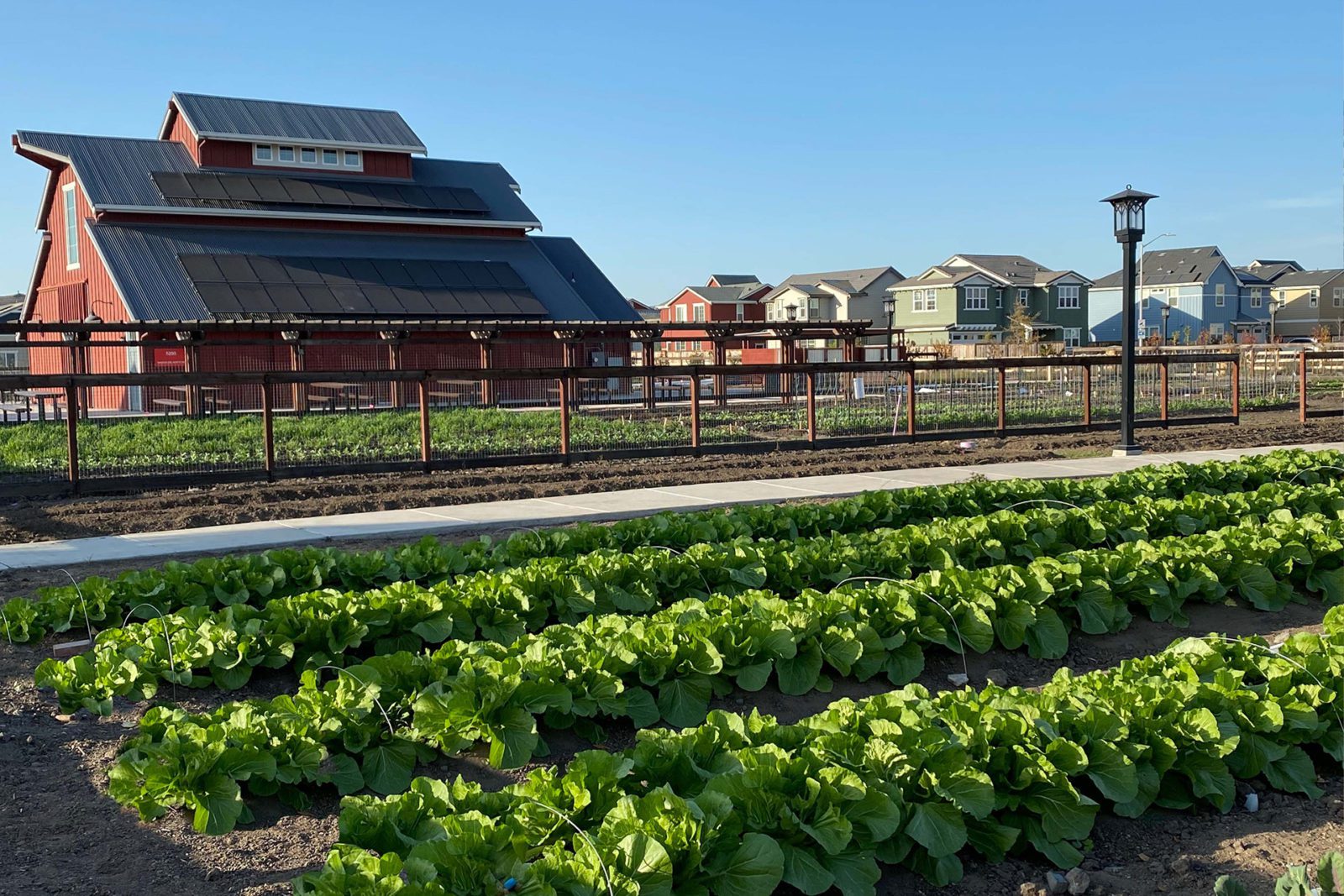
To succeed, agrihoods need thoughtful design. The following principles can guide planners and developers.
A. Put the farm at the center. The farm should be visible, accessible, and integrated into the street network. It should not be hidden behind fences.
B. Prioritize walkability and cycling. Paths should connect homes, farm fields, schools, shops, and transit. Cars should be secondary.
C. Mix housing types and incomes. A range of sizes, tenures, and price points creates a more diverse and resilient community.
D. Design for water and soil health. Use swales, rain gardens, compost systems, and cover crops. Treat soil as a living resource.
E. Create flexible community spaces. Barns, kitchens, classrooms, and gathering areas should adapt to changing needs.
F. Protect land permanently. Conservation easements and land trusts can prevent future development of farmland and natural areas.
G. Measure success broadly. Profit matters, but so do soil carbon, biodiversity, food access, social connection, and resident well-being.
Technology and the Smart Agrihood
Technology can support agrihoods, but it should serve people and ecosystems rather than replace them.
A. Soil sensors and weather stations help farmers irrigate precisely and reduce water use.
B. Drip irrigation and rainwater harvesting improve efficiency.
C. AI-powered pest and disease detection can reduce chemical spraying.
D. Online platforms manage CSA shares, farm stands, volunteer schedules, and community communication.
E. Renewable energy systems, including solar and microgrids, can power homes, barns, and irrigation.
F. Vertical farming and greenhouses extend growing seasons and increase yields on small footprints.
G. Data analytics can help match crop production with community demand.
The smartest agrihood is not the one with the most gadgets. It is the one that uses technology to strengthen soil, save water, and free people to spend more time together.
Real-World Examples and Lessons
Several agrihoods have become models for the movement.
A. Prairie Crossing in Illinois is often called the original modern agrihood. It combines a working farm, prairie restoration, a train station, and a charter school. It shows how conservation and community can coexist.
B. Serenbe in Georgia is a biophilic community with a farm, wellness offerings, and preserved forest. It demonstrates the power of design and hospitality.
C. Agritopia in Arizona integrates a farm into an urban neighborhood. It includes restaurants, a coffee shop, and community events. It proves that agrihoods can work in hot, dry climates with careful water management.
D. Willowsford in Virginia spans thousands of acres with a conservancy, farm, and trails. It shows how large-scale development can set aside significant open space.
E. International examples are emerging in Europe, Asia, and Australia. In the Netherlands, food forests and circular neighborhoods are gaining ground. In Singapore, high-density housing is paired with rooftop gardens and vertical farms. In Japan, satoyama landscapes blend village life with forest and field management.
These examples share a lesson: success depends on strong leadership, clear vision, patient capital, and genuine community involvement.
Policy, Finance, and the Path to Scale
If agrihoods are to become more than boutique projects, policy and finance must evolve.
A. Zoning reform can allow clustered housing, mixed uses, and agricultural activity in residential areas.
B. Tax incentives can reward conservation easements, affordable housing, and regenerative farming.
C. Public-private partnerships can share risk and unlock land near transit or underused sites.
D. Community land trusts can keep housing permanently affordable while preserving farmland.
E. Farm incubator programs can train new growers and provide access to land, equipment, and markets.
F. Impact investment can fund projects that deliver environmental and social returns alongside financial ones.
G. Regional food planning can connect agrihoods to schools, hospitals, and food hubs.
Without these supports, agrihoods may remain isolated experiments. With them, they could become a standard option in the housing market.
The Future of Agrihoods
The future farm city is not a single blueprint. It is a set of possibilities.
A. Climate resilience will drive demand. Communities that can produce food, manage water, and cool their surroundings will be better prepared for extreme weather.
B. Circular economies will grow. Compost from kitchens will feed soil. Rainwater will irrigate crops. Solar energy will power pumps. Waste will become input.
C. Suburban retrofits will accelerate. Golf courses, shopping malls, and office parks can be reimagined as agrihoods with housing, farms, and public space.
D. Aging populations will seek purpose and connection. Agrihoods can offer meaningful activity, accessible gardens, and intergenerational relationships.
E. Global South innovations will lead. In many regions, food security and livelihoods are immediate concerns. Agrihoods may evolve differently, with a stronger emphasis on cooperatives, seed saving, and local markets.
F. Equity will determine legitimacy. If agrihoods are only for the wealthy, they will remain curiosities. If they include affordable housing, good jobs, and community ownership, they can become a real alternative.
Who Should Care About Agrihoods?
A. Developers can differentiate projects and create long-term value.
B. Planners can use agrihoods to meet climate, housing, and open space goals.
C. Investors can find opportunities in sustainable real estate and food systems.
D. Residents can choose a lifestyle that aligns with their values.
E. Farmers can gain land access, customers, and community support.
F. Policymakers can support a model that addresses multiple public priorities.
G. Educators can use agrihoods as living laboratories.
H. Health professionals can recommend them as environments that support well-being.
Conclusion: Reconnecting City and Field
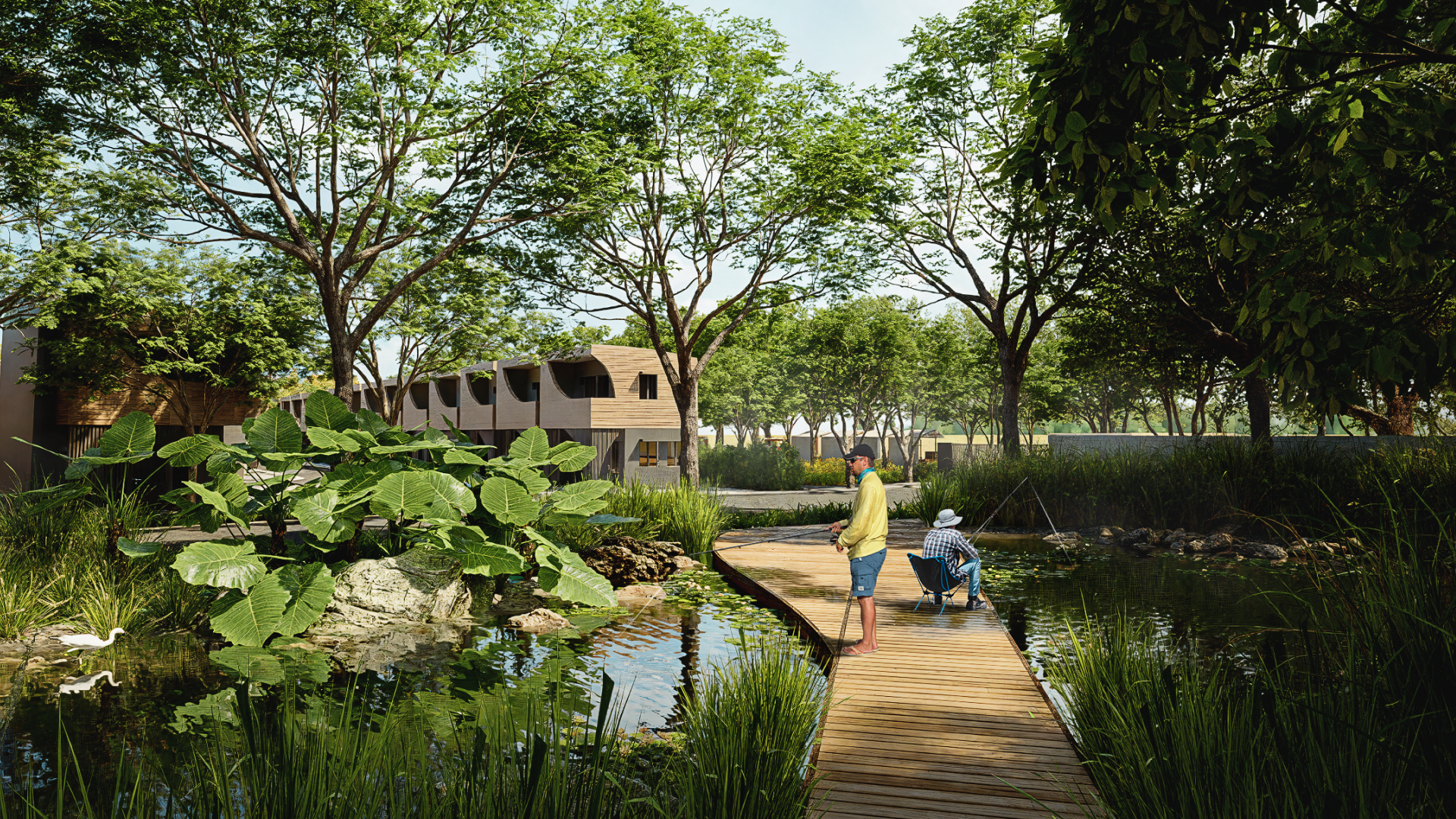
Agrihoods are not a return to a romantic past. They are a forward-looking response to modern challenges. They recognize that food is not separate from housing, that land is not merely real estate, and that community is not a luxury. The future farm city is a place where children learn to plant seeds, where neighbors share meals, where soil is treated as a commons, and where daily life is connected to the seasons.
No single project will solve climate change, hunger, or loneliness. But agrihoods offer a practical, hopeful model. They show that we can build neighborhoods that feed people, restore ecosystems, and strengthen social ties. The question is no longer whether agrihoods can work. The question is how quickly we can make them accessible, equitable, and resilient. The future farm city is not just a design idea. It is a choice about what kind of life we want to cultivate.