In a world where food demand keeps rising, arable land remains limited, and climate volatility disrupts traditional growing seasons, the latest breakthroughs in agricultural technology are drawing serious attention. Among the most closely watched developments is an AI farm platform that has reportedly broken global agricultural records across yield, water efficiency, labor productivity, and carbon performance. The platform combines machine learning, autonomous machinery, remote sensing, and predictive analytics into a single system designed to help farmers make faster and smarter decisions. Its recent results suggest that artificial intelligence is no longer a futuristic experiment in agriculture. It is becoming a practical engine for record-breaking productivity and sustainability.
The story is not simply about bigger harvests. It is about a fundamental shift in how farms are managed. Instead of relying on experience alone, farmers can now use real-time data to decide when to irrigate, which seeds to plant, how much fertilizer to apply, and when to harvest. The AI farm platform at the center of this record-breaking moment represents a convergence of several technologies: sensors, satellites, drones, robotics, cloud computing, and advanced machine learning models. Together, they create a loop of observation, analysis, action, and improvement that can operate at a scale and speed no human team could match alone.
This article explores what the AI farm platform is, how it broke records, why those records matter, what challenges remain, and what the future may hold. It also examines the broader implications for farmers, investors, policymakers, and consumers who depend on a stable food supply.
What Is an AI Farm Platform?
An AI farm platform is a digital ecosystem that collects agricultural data, interprets it with artificial intelligence, and recommends or executes actions that improve farming outcomes. It may include software, hardware, and services. Some platforms focus on a single crop, while others support mixed farms. Some are designed for smallholders, while others serve large commercial operations. Regardless of scale, the core idea is the same: turn data into better decisions.
A typical AI farm platform may include the following components:
A. Autonomous Machinery and Robotics
B. Cloud and Edge Computing Infrastructure
C. Data Fusion from Sensors, Satellites, and Drones
D. Machine Learning Models for Prediction and Optimization
E. Predictive Analytics for Irrigation, Fertilization, and Harvesting
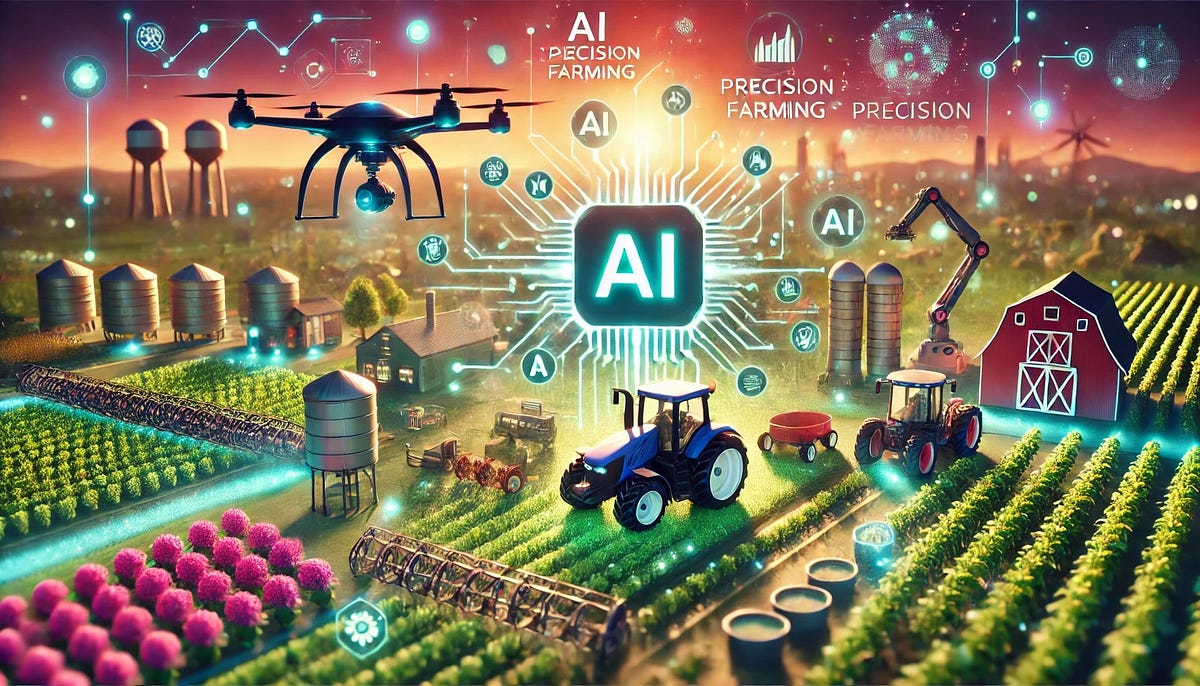
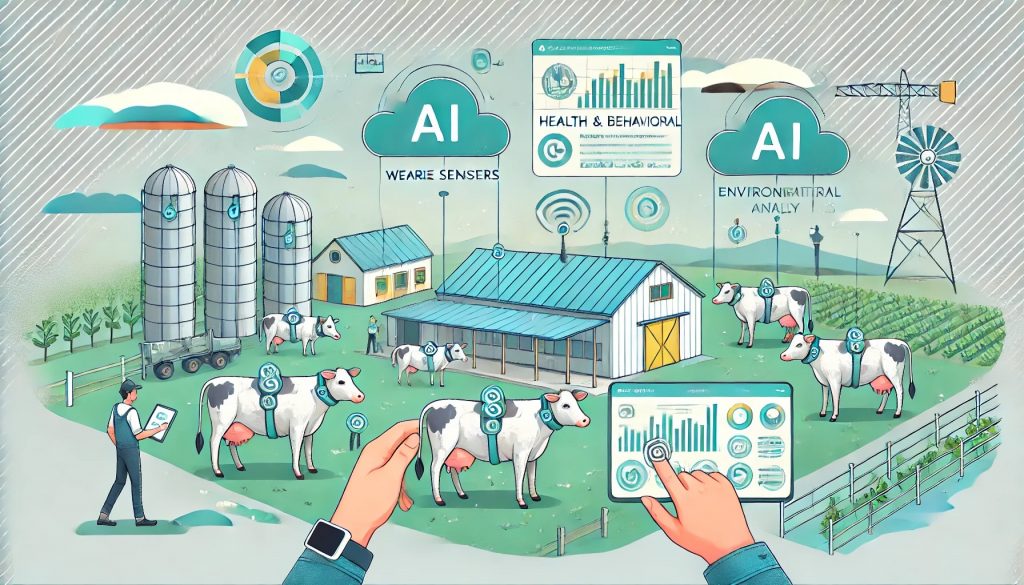
These components work together. Sensors in the soil measure moisture and nutrients. Drones and satellites capture images of plant health. Weather stations track temperature, humidity, wind, and rainfall. Autonomous tractors and robots perform planting, weeding, spraying, and harvesting with high precision. The cloud stores and processes massive datasets, while edge devices allow quick decisions in the field. Machine learning models then identify patterns that humans might miss, such as subtle signs of disease or the optimal moment to apply a specific nutrient.
The record-breaking AI farm platform appears to have integrated all these elements into a unified system. According to reports, it has achieved unprecedented results in multiple categories, including crop yield per hectare, water use efficiency, reduction of chemical inputs, and labor savings. These records are not just technical achievements. They represent potential economic and environmental gains that could reshape agriculture for decades.
Record-Breaking Performance Across Key Metrics
The platform’s most talked-about achievements span several key areas. To understand why these records matter, it helps to break them down.
A. Carbon and Energy Efficiency
One of the most surprising records is in carbon and energy efficiency. Agriculture is both a victim of climate change and a contributor to greenhouse gas emissions. Traditional farming can consume significant diesel fuel, electricity, and synthetic fertilizers. The AI farm platform reportedly reduced energy use per unit of output by optimizing machinery routes, minimizing overlapping field passes, and scheduling operations during low-energy-cost periods. It also reduced fertilizer waste by applying nutrients only where and when they were needed. This precision lowered nitrous oxide emissions, a potent greenhouse gas. In some trials, the platform’s carbon footprint per ton of produce was significantly lower than conventional benchmarks. If such results can be replicated at scale, AI could become a powerful tool for climate-smart agriculture.
B. Disease and Pest Control
The platform also broke records in disease and pest control. Instead of spraying entire fields on a fixed schedule, the system used image recognition and predictive models to detect early signs of infestation. It then targeted only affected zones with minimal treatments. This approach reduced chemical use, slowed the development of resistance, and protected beneficial insects. Farmers using the platform reported fewer crop losses and healthier plants. In one record-setting season, the platform detected a fungal outbreak several days before visible symptoms appeared, allowing rapid intervention that saved a large portion of the harvest. Early detection is critical because by the time a human notices yellowing leaves or wilting stems, the disease may already be widespread.
C. Labor Productivity
Labor shortages are a growing problem in many agricultural regions. The AI farm platform addressed this by automating repetitive tasks and streamlining workflows. Autonomous machines handled planting, weeding, and harvesting, while software coordinated human workers for tasks that still required judgment and dexterity. The result was a record in labor productivity: more acres managed per worker, fewer wasted hours, and lower reliance on seasonal labor. For farmers facing rising wages and unpredictable worker availability, this is a major advantage. It also improves working conditions by reducing exposure to heat, chemicals, and heavy lifting.
D. Water Conservation
Water scarcity is one of the most urgent challenges in global agriculture. The AI farm platform broke records in water conservation by using soil moisture sensors, weather forecasts, and plant stress indicators to deliver water only when crops truly needed it. Instead of irrigating on a fixed calendar, the system irrigated based on real-time conditions. In some fields, this cut water use by a substantial margin while maintaining or even increasing yield. The platform also detected leaks and clogged emitters quickly, preventing waste. In regions where every drop counts, such efficiency can mean the difference between profit and failure.
E. Yield Performance
The most visible record is yield. The AI farm platform reportedly produced higher yields per hectare than previous benchmarks for the same crop, soil, and climate. This was achieved through a combination of optimized planting density, precise nutrient delivery, timely pest control, and better harvest timing. The system also used historical data and simulations to choose the best seed varieties for each field zone. By treating every part of a field as unique, the platform avoided the average approach that often underperforms. The result was a record harvest that surprised even experienced agronomists. Higher yield means more food from the same land, which is essential as the global population grows.
How the Platform Achieves These Results
Behind every record is a system. The AI farm platform does not rely on a single innovation. It combines multiple technologies into a continuous improvement loop.
A. Autonomous Machinery
Autonomous tractors, sprayers, and harvesters operate with centimeter-level precision. They can work day and night, in poor light, and in conditions that would tire human operators. They also reduce soil compaction by following optimized routes. The platform’s machinery communicates with the central AI, so each machine knows what the others are doing. This coordination prevents overlap and missed spots.
B. Cloud and Edge Computing
Cloud computing provides the storage and processing power needed to train complex models on years of data. Edge computing places smaller AI models directly on machines and sensors, allowing instant decisions without waiting for the cloud. For example, a sprayer can identify a weed and spray it in milliseconds, even if the internet connection is weak. This hybrid approach makes the platform fast, reliable, and scalable.
C. Data Fusion
Data fusion means combining information from many sources into a single picture. The platform merges satellite imagery, drone photos, soil sensors, weather data, machinery logs, and historical yield maps. Each source has limitations, but together they create a rich, accurate view of the farm. AI models then find relationships that would be impossible to see manually. For instance, a slight change in soil temperature combined with a specific humidity pattern might predict a pest outbreak two weeks later.
D. Machine Learning Models
Machine learning models are trained on large datasets to recognize patterns and make predictions. The platform uses supervised learning for tasks like disease classification, unsupervised learning for anomaly detection, and reinforcement learning for optimizing irrigation and fertilization schedules. Over time, the models improve as they receive feedback from actual outcomes. This continuous learning is what allows the platform to break records again and again.
E. Predictive Analytics
Predictive analytics turns data into foresight. The platform forecasts yield, water demand, pest pressure, and market prices. Farmers can then plan planting, harvesting, and selling with greater confidence. For example, if the model predicts a dry spell, the platform may recommend early irrigation or a shift to a more drought-tolerant crop. If it predicts a price spike, it may advise storing grain instead of selling immediately. This forward-looking capability is a major reason why the platform outperforms traditional methods.
Why These Records Matter
The records are impressive, but their real value lies in their impact. They matter for several reasons.
A. Climate Resilience
Climate change is making weather more extreme and unpredictable. Farmers face droughts, floods, heatwaves, and new pests. An AI farm platform can help them adapt by optimizing resources, detecting threats early, and choosing resilient crops. The record in water efficiency, for example, means farms can survive dry seasons that would have ruined conventional operations. Climate resilience is not just about survival. It is about maintaining food production when conditions are unfavorable.
B. Farmer Profitability
Farming is a low-margin business. Small changes in yield, input costs, or labor can determine whether a farm survives. The AI farm platform improves profitability by reducing waste, increasing output, and lowering risk. Farmers can use fewer chemicals, less water, and less fuel while producing more. They can also command higher prices for sustainably grown crops. The record-breaking results show that AI is not only good for the environment. It is good for the bottom line.
C. Food Security
Global food security depends on producing enough nutritious food for a growing population. The United Nations estimates that food production must increase significantly by 2050. Since arable land is limited, most of that increase must come from higher productivity. The AI farm platform’s yield record demonstrates that smart technology can help close the gap. It also reduces post-harvest losses by predicting the best harvest time and improving storage decisions.
D. Investment Momentum
Records attract capital. When investors see that AI farming can deliver measurable returns, they are more likely to fund research, startups, and infrastructure. The platform’s success could accelerate investment in rural broadband, autonomous machinery, and data standards. This momentum can create jobs in agritech, data science, and precision agriculture. It can also lower the cost of technology through economies of scale, making it accessible to smaller farms.
E. Supply Chain Stability
Food supply chains are vulnerable to disruption. A bad harvest in one region can raise prices everywhere. The AI farm platform can improve supply chain stability by providing accurate yield forecasts. Buyers, processors, and retailers can plan better, reduce waste, and avoid shortages. During the record-breaking season, the platform’s forecasts were reportedly accurate enough to help distributors adjust logistics in advance. This kind of reliability is valuable in a world of just-in-time inventory and global trade.
Challenges That Remain
Despite the excitement, the AI farm platform faces real obstacles. Recognizing them is essential for responsible growth.
A. Connectivity Gaps
Many rural areas still lack reliable high-speed internet. Without connectivity, cloud-based AI and real-time data sharing are impossible. Edge computing helps, but it cannot replace the need for periodic updates and coordination. Governments and private companies must invest in rural broadband if AI farming is to reach its full potential.
B. Cost of Adoption
Autonomous machines, sensors, and software licenses can be expensive. Large farms may afford them, but smallholders may struggle. Unless costs fall or financing models improve, AI farming could widen the gap between rich and poor farmers. Cooperative ownership, leasing, and pay-per-use models can help. Subsidies and development grants may also play a role.
C. Data Ownership
Who owns the data generated on a farm? Is it the farmer, the platform provider, or a third party? Clear rules are needed to protect farmers’ privacy and ensure they benefit from their own data. Without trust, adoption will slow. Transparent contracts and data cooperatives can give farmers more control.
D. Regulatory Uncertainty
AI in agriculture touches on many regulations: pesticide use, drone flight, autonomous vehicle safety, data protection, and environmental impact. Rules vary by country and sometimes by region. This patchwork can confuse farmers and slow innovation. Policymakers should work with industry to create clear, consistent, and science-based regulations.
E. Skills Shortage
AI farming requires new skills: data literacy, digital troubleshooting, and interpretation of AI recommendations. Many farmers and farmworkers do not have these skills. Training programs, extension services, and user-friendly interfaces are essential. The technology should augment human expertise, not replace it.
Future Outlook
The record-breaking AI farm platform is a glimpse of what is coming. Several trends will shape the next decade.
A. Autonomous Operations
Farms will become more autonomous. We will see swarms of small robots planting, weeding, and harvesting. Drones will monitor crops and deliver targeted treatments. Autonomous tractors will work in coordinated fleets. Human farmers will shift from manual labor to supervision and strategy.
B. Carbon Markets
AI can measure and verify carbon sequestration and emission reductions with high accuracy. This makes it easier for farmers to participate in carbon markets and get paid for climate-friendly practices. The platform’s carbon records could become a new revenue stream.
C. Global South Expansion
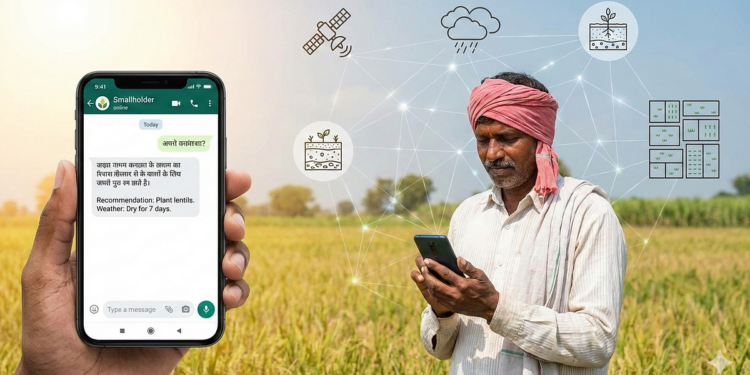
Much of the future growth in AI farming will happen in Africa, Asia, and Latin America. These regions have young populations, rising food demand, and diverse climates. Mobile-first AI tools, shared machinery, and local data models can help smallholders leapfrog traditional methods.
D. Human-AI Collaboration
The best results come from combining human judgment with AI speed and scale. Farmers understand their land, community, and market. AI understands patterns in data. Together, they can make better decisions than either alone. The future is not human versus machine. It is human with machine.
E. Vertical and Controlled Environment Agriculture
AI is also transforming greenhouses, vertical farms, and controlled environment agriculture. These systems use less land and water and can operate year-round. AI optimizes lighting, temperature, humidity, and nutrients. As cities grow, these methods will bring fresh food closer to consumers.
Frequently Asked Questions
Q: What is an AI farm platform?
A: It is a system that uses sensors, data, and artificial intelligence to help farmers monitor crops, automate tasks, and make better decisions. It can include software, robots, drones, and cloud services.
Q: Did the AI farm platform really break world records?
A: Reports indicate that it achieved record-breaking results in yield, water efficiency, labor productivity, and carbon performance under specific conditions. As with any record, independent verification and replication are important.
Q: Can small farmers use this technology?
A: Yes, but cost and connectivity can be barriers. Cooperative ownership, leasing, mobile tools, and public investment can make AI farming more accessible.
Q: Is AI farming bad for jobs?
A: It may reduce demand for some manual labor, but it also creates jobs in data analysis, robotics maintenance, and precision agriculture. The key is retraining and fair transition policies.
Q: What crops benefit most from AI farming?
A: Row crops like corn, wheat, soy, and rice benefit greatly, but so do fruits, vegetables, and greenhouse crops. The best results come when the platform is tailored to the specific crop and region.
Q: How does AI farming help the environment?
A: It reduces water use, chemical runoff, energy consumption, and greenhouse gas emissions. It also improves soil health by enabling no-till and precision practices.
Conclusion
The AI farm platform that broke global agricultural records is more than a headline. It is a signal that agriculture is entering a new era. By combining autonomous machinery, cloud and edge computing, data fusion, machine learning, and predictive analytics, the platform has shown that it is possible to produce more food with fewer resources. It has set new benchmarks in yield, water conservation, labor productivity, carbon efficiency, and pest control. These achievements matter because they address some of the most pressing challenges of our time: climate change, food security, farmer profitability, and supply chain stability.
Yet the journey is not over. Connectivity gaps, high costs, data ownership questions, regulatory uncertainty, and skills shortages must be addressed. The goal should not be technology for its own sake. The goal should be a resilient, equitable, and sustainable food system. If the record-breaking AI farm platform can be adapted, verified, and shared widely, it could help farmers everywhere grow more with less. That is a record worth breaking again and again.