The global food system is standing at a crossroads. Rapid urbanization, climate uncertainty, volatile energy prices, and long-distance supply chains have exposed how fragile modern food access can be. In many cities, a disruption in transportation, a drought in a distant region, or a spike in fertilizer costs can quickly translate into empty shelves and rising prices. Against this backdrop, the Farm City model has emerged as more than an architectural trend or a niche environmental project. It is a comprehensive rethink of how cities can produce, process, distribute, and recycle food within and around their own boundaries. By blending agriculture with urban design, technology, and community participation, Farm City is helping to revolutionize food security in ways that are practical, scalable, and deeply local.
Farm City does not mean turning every city into a rural landscape. Instead, it means treating food as essential urban infrastructure, just like roads, water, and electricity. It envisions a city where unused rooftops, vacant lots, walls, basements, and peri-urban belts become productive spaces. It connects hydroponic greenhouses, aquaponic systems, vertical farms, community gardens, food hubs, and circular waste systems into one interconnected network. The goal is not merely to grow a few herbs for restaurants, but to strengthen the four pillars of food security: availability, access, utilization, and stability. When these pillars are reinforced at the city level, households become less vulnerable to global shocks, and communities gain more control over what they eat.
Why Food Security Needs a Farm City Revolution
For decades, food security was treated mainly as a rural issue. The assumption was that farms belong in the countryside, while cities consume. That assumption no longer holds. More than half of the world’s population already lives in urban areas, and that share continues to rise. Cities are where hunger and malnutrition are often most visible, especially in low-income neighborhoods where fresh produce is expensive or unavailable. At the same time, the distance between farm and fork has grown. A single meal may contain ingredients shipped from several continents, each step adding carbon emissions, packaging, refrigeration, and vulnerability.
Farm City responds to these pressures by shortening supply chains and diversifying production. It does not seek to eliminate rural agriculture, but to complement it. Rural farms can focus on staple crops, grains, and large-scale production, while urban and peri-urban farms supply fresh vegetables, fruits, herbs, fish, eggs, and value-added products. This layered approach reduces dependence on a single production region and creates redundancy. In a resilient food system, redundancy is not waste; it is insurance. If one supply route fails, another can continue.
What Makes a Farm City Different
A Farm City is not simply a city with a few urban gardens. It is an integrated ecosystem. It combines public policy, private investment, community action, and technological innovation. It treats organic waste as a resource, rainwater as an asset, and vacant space as an opportunity. It also measures success not only in profits, but in meals produced, jobs created, water saved, and households served.
The core components of a Farm City can be understood through the following lettered framework:
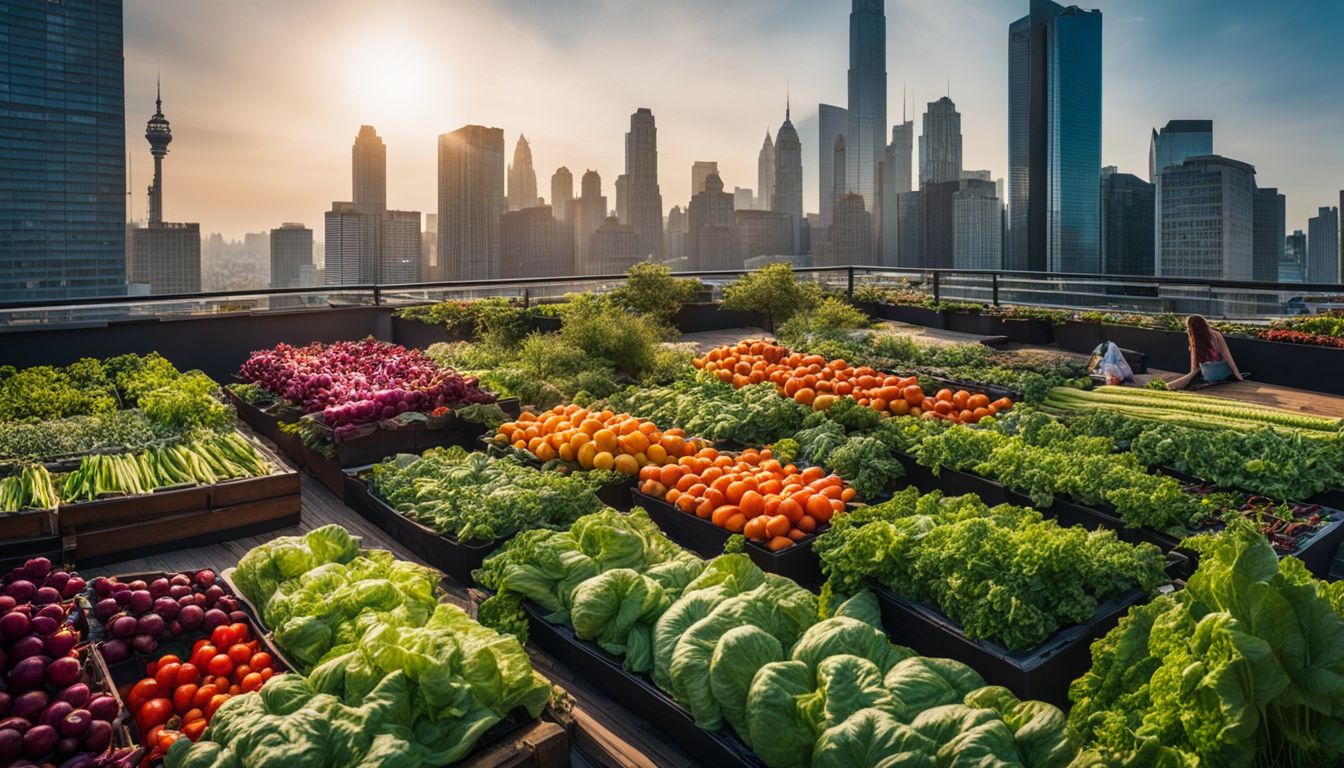
A. Rooftop and balcony production turns unused building surfaces into gardens, greenhouses, and pollinator habitats. These spaces can grow leafy greens, tomatoes, peppers, herbs, and small fruits while reducing building heat and stormwater runoff.
B. Vertical indoor farms use stacked racks, controlled lighting, and climate management to produce high yields in small footprints. They are especially useful for leafy greens, microgreens, strawberries, and culinary herbs.
C. Hydroponic and aquaponic systems grow plants without soil or with nutrient-rich water, often recycling more than 90 percent of the water used. Aquaponics adds fish, creating a closed loop where fish waste feeds plants and plants help clean the water.
D. Community gardens and allotments give residents direct access to growing space. They build social ties, preserve local food knowledge, and provide fresh produce in neighborhoods that may lack full-service grocery stores.
E. Peri-urban belts and food hubs connect city-edge farms with urban markets, processors, and distributors. These zones can host larger greenhouses, orchards, livestock, and food processing facilities.
F. Circular waste-to-nutrient systems compost food scraps, convert organic waste into biogas, and recover nutrients for soil or hydroponic solutions. This reduces landfill methane and lowers dependence on synthetic fertilizers.
G. Digital market and distribution platforms link producers with consumers, restaurants, schools, hospitals, and food banks. They can coordinate demand, reduce spoilage, and make local food more visible and accessible.
These components do not operate in isolation. A rooftop farm may supply a school kitchen. A community garden may send surplus to a food bank. A vertical farm may sell to a supermarket while donating unsold produce to a compost cooperative. The strength of Farm City lies in these connections.
The Technological Engines Behind Farm City
Technology is not the only answer, but it is a powerful enabler. Farm City uses a range of tools to make urban agriculture more efficient, predictable, and scalable. These tools include:
A. Internet of Things sensors monitor temperature, humidity, soil moisture, nutrient levels, and light. They help growers respond quickly and reduce waste.
B. Artificial intelligence analyzes data to predict yields, detect pests, optimize lighting, and schedule harvests. AI can also match surplus produce with nearby buyers or food banks.
C. LED horticulture lighting provides precise light spectra for plant growth, allowing indoor farms to operate year-round regardless of season or climate.
D. Robotics and automation handle planting, harvesting, sorting, and packaging. They reduce labor costs and improve consistency, though they also raise questions about employment and skill transitions.
E. Blockchain and digital traceability systems can verify origin, organic status, and food safety. They help consumers trust local producers and help regulators monitor supply chains.
F. Renewable energy systems, including solar panels, wind turbines, and biogas, power farms and reduce their carbon footprint. Energy is often the largest cost in controlled-environment agriculture, so efficiency is critical.
G. Data-sharing platforms connect farmers, researchers, planners, and communities. They can identify gaps in food access, forecast demand, and coordinate emergency responses during crises.
When these technologies are combined with good governance and local knowledge, they can transform urban food production from a hobby into a reliable public benefit. However, technology must serve equity. If only wealthy districts can afford advanced farms, food security gaps will widen rather than close.
How Farm City Strengthens the Four Pillars of Food Security
Food security is often defined through four dimensions. Farm City addresses each one in direct and indirect ways.
A. Availability means having enough food of sufficient quality. Farm City increases local production through rooftops, vertical farms, community gardens, and peri-urban agriculture. It diversifies what is grown and reduces reliance on distant suppliers.
B. Access means being able to physically and economically obtain food. Farm City places production closer to consumers, reduces transportation costs, and supports farmers markets, cooperatives, and sliding-scale community-supported agriculture. It can also target food deserts with mobile markets and public food hubs.
C. Utilization means using food safely and nutritiously. Farm City promotes fresh produce, food literacy, cooking skills, and safe handling. Community kitchens, school gardens, and nutrition education turn production into better health outcomes.
D. Stability means maintaining food access over time, even during crises. Farm City builds redundancy through multiple production sites, local processing, seed saving, and emergency food reserves. When global supply chains falter, local systems can continue.
By addressing all four pillars, Farm City moves beyond charity and toward structural resilience. It does not simply give people food today; it builds the capacity to produce and distribute food tomorrow.
Environmental Benefits That Go Beyond Food
Farm City offers significant environmental advantages. When food is grown closer to where it is eaten, transportation emissions fall. Controlled-environment farms use water efficiently, often recirculating it multiple times. Organic waste can be composted or converted into energy, reducing landfill burden. Green roofs and urban gardens cool buildings, absorb rainwater, and support pollinators. These benefits create a positive feedback loop: healthier ecosystems support healthier food systems, which in turn support healthier communities.
A. Lower food miles reduce carbon emissions from trucks, ships, and airplanes. Even when urban farms use artificial lighting, their total emissions can be lower for certain crops if renewable energy is used and transport is avoided.
B. Water recycling in hydroponics and aquaponics can cut water use dramatically compared with conventional field agriculture. This matters in cities facing drought or groundwater depletion.
C. Reduced pesticide reliance is common in controlled environments because pests can be excluded and beneficial insects can be introduced. This lowers chemical runoff and worker exposure.
D. Land sparing occurs when high-yield urban farms reduce pressure to convert natural ecosystems into farmland. Although urban farms cannot replace all rural production, they can reduce demand for certain perishable crops.
E. Heat island mitigation happens when rooftops and vacant lots are covered with plants. Vegetation and soil reduce surface temperatures and improve building energy performance.
F. Biodiversity support comes from pollinator gardens, native plantings, and habitat corridors. Even small urban farms can become stepping stones for bees, butterflies, and birds.
G. Circular nutrient flows turn food waste into compost, biogas, and liquid fertilizer. This closes the loop between consumption and production, reducing dependence on mined or synthetic inputs.
These environmental gains are not automatic. They depend on responsible design, energy sourcing, and waste management. A poorly planned vertical farm powered by coal and using single-use plastics will not deliver the same benefits as a community-led aquaponic farm powered by solar energy and rainwater harvesting.
Economic Opportunities and Business Models
Farm City is also an economic engine. It creates jobs in production, processing, distribution, retail, education, and technology. It supports small businesses and entrepreneurs who may not have access to large tracts of land. It can reduce household food costs when local produce is affordable and when residents grow some of their own food.
Several business models are emerging:
A. Subscription boxes and community-supported agriculture provide predictable income for farmers and convenient access for consumers. Members pay upfront or regularly and receive seasonal harvests.
B. Farm-to-table partnerships connect urban farms with restaurants, cafes, hotels, and caterers. Chefs value freshness, traceability, and unique varieties.
C. Vertical farm business-to-business sales supply supermarkets, meal-kit companies, and food service providers with consistent, year-round greens and herbs.
D. Municipal and institutional contracts allow schools, hospitals, prisons, and government offices to purchase local food. These contracts can stabilize demand and support public health goals.
E. Educational tourism and workshops generate revenue through tours, classes, team-building events, and agritourism. They also build public support for urban agriculture.
F. Cooperative ownership allows farmers, workers, and residents to share ownership and decision-making. Cooperatives can pool resources, reduce risk, and keep profits in the community.
G. Waste-to-value enterprises turn food scraps into compost, animal feed, or biogas. They earn revenue while solving a municipal waste problem.
These models can coexist. A single Farm City might include a cooperative rooftop garden, a commercial vertical farm, a school aquaponics lab, and a peri-urban food hub. Diversity makes the system more resilient.
Social and Community Benefits
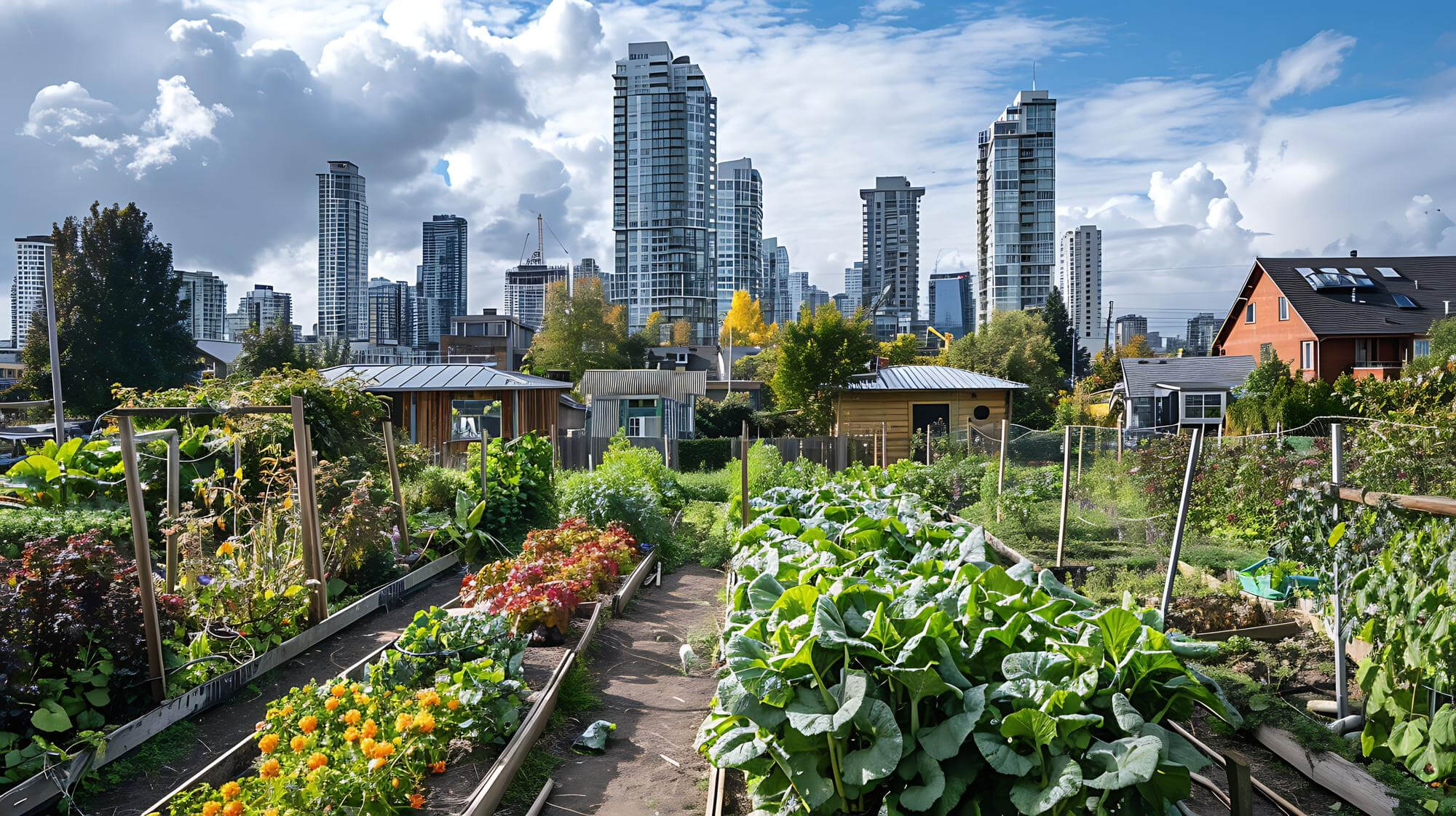
Food is never just calories. It is culture, identity, and connection. Farm City strengthens social fabric by bringing people together around growing, cooking, and sharing food. Community gardens become meeting places. School gardens become outdoor classrooms. Food hubs become spaces for job training and small business incubation. In neighborhoods affected by disinvestment, urban agriculture can restore pride and agency.
A. Community cohesion grows when neighbors work side by side, share tools, and celebrate harvests. These relationships can improve safety and mutual aid.
B. Education improves when children learn where food comes from, how ecosystems work, and why nutrition matters. Hands-on learning can improve academic engagement and lifelong habits.
C. Health outcomes improve when fresh produce is available and affordable. Gardening also provides physical activity and mental health benefits.
D. Cultural preservation occurs when communities grow traditional crops and share recipes. Urban farms can keep heritage varieties and foodways alive.
E. Inclusion can be advanced when farms are accessible to people with disabilities, seniors, youth, and immigrants. Universal design and multilingual outreach are essential.
F. Food sovereignty is strengthened when communities have a voice in what is grown, how it is grown, and who benefits. This shifts power from distant corporations to local residents.
These social benefits are often undervalued in traditional economic analysis, but they are central to long-term food security. A city with strong social networks is better able to respond to crises than a city where neighbors are isolated.
Challenges That Must Be Addressed
Farm City is promising, but it is not a miracle cure. Serious challenges remain. Ignoring them leads to failed projects and public cynicism.
A. High startup costs can make urban farms expensive to build and operate. Land, equipment, lighting, and climate control require significant investment.
B. Energy demand is a major issue for indoor farms. If energy is expensive or dirty, the environmental and economic benefits shrink.
C. Zoning and regulatory barriers often prevent agriculture in residential, commercial, or industrial zones. Permitting can be slow and confusing.
D. Technical skills are needed to manage hydroponics, aquaponics, pest control, and business operations. Training programs must keep pace with innovation.
E. Water and nutrient management require careful monitoring. Poorly managed systems can waste resources, breed disease, or discharge pollutants.
F. Market competition from conventional farms can undercut local prices. Urban farms must differentiate through freshness, quality, transparency, and community value.
G. Equity risks exist when urban agriculture gentrifies neighborhoods, raises land values, or serves only affluent consumers. Policies must protect vulnerable residents and ensure affordable access.
Addressing these challenges requires collaboration among governments, businesses, nonprofits, universities, and residents. No single actor can build a Farm City alone.
Policy and Governance for Scale
To move from pilot projects to citywide impact, Farm City needs supportive policy. Governments can accelerate progress through the following measures:
A. Zoning reform that explicitly allows urban agriculture, rooftop farms, and food processing in appropriate zones.
B. Financial incentives such as grants, tax credits, low-interest loans, and utility rebates for efficient equipment.
C. Building codes that require or encourage rooftop gardens, rainwater harvesting, and space for food production in new developments.
D. Public procurement policies that prioritize local, sustainable food in schools, hospitals, and government facilities.
E. Training and extension services that provide technical assistance, business planning, and mentorship to urban farmers.
F. Data standards and open platforms that help cities measure food production, food access, and environmental impact.
G. Public-private-community partnerships that share risk, align goals, and ensure diverse voices are heard.
Policy should be flexible enough to support different models, from small community gardens to large commercial vertical farms. It should also include protections for workers, consumers, and the environment.
Measuring Success in a Farm City
What gets measured gets managed. A Farm City should track indicators that reflect its goals. Useful metrics include:
A. Total kilograms of food produced locally each year.
B. Number of households with improved access to fresh produce.
C. Water and energy used per kilogram of food produced.
D. Jobs created and wages paid in the urban agriculture sector.
E. Food miles reduced and transportation emissions avoided.
F. Organic waste diverted from landfills and converted into compost or energy.
G. Affordability of local produce compared with conventional alternatives.
These metrics should be public and updated regularly. They help policymakers, investors, and communities learn what works and where to improve.
The Future of Farm City
The future of Farm City is likely to be more integrated, more digital, and more circular. Cities may use digital twins to simulate food flows and optimize land use. AI may match surplus harvests with food banks in real time. Modular farms may be deployed quickly in disaster zones or temporary settlements. Rooftop greenhouses may become standard features of new buildings. Peri-urban food belts may be protected by law as essential infrastructure.
At the same time, the future must be human-centered. The most advanced technology cannot replace the knowledge of local growers, the trust of neighbors, or the dignity of decent work. Farm City should be designed with people, not just for them. It should prioritize affordable food, fair labor, and community ownership alongside efficiency and profit.
Conclusion
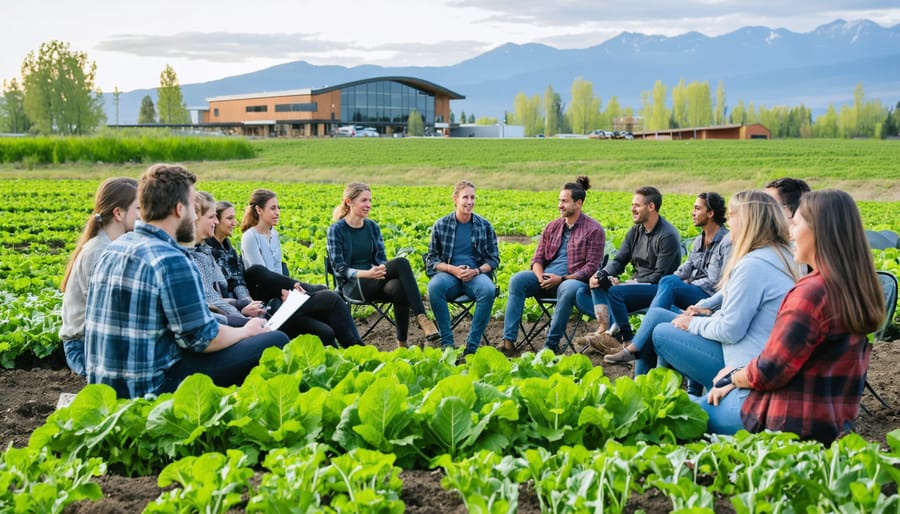
Farm City is not a single project or a passing trend. It is a strategic response to some of the most urgent challenges of the twenty-first century: urbanization, climate change, supply chain fragility, and persistent hunger. By integrating food production into the fabric of urban life, it strengthens availability, access, utilization, and stability. It reduces environmental harm, creates economic opportunity, and builds social connection. It does not replace rural agriculture, but it makes cities more self-reliant, resilient, and just.
The revolution will not happen overnight. It will require investment, policy reform, technical training, and community participation. It will face setbacks, failures, and difficult trade-offs. But the direction is clear. Cities that treat food as essential infrastructure will be better prepared for whatever the future brings. Farm City is not just about growing food in cities. It is about growing a future where food security is not a privilege for the few, but a foundation for all.