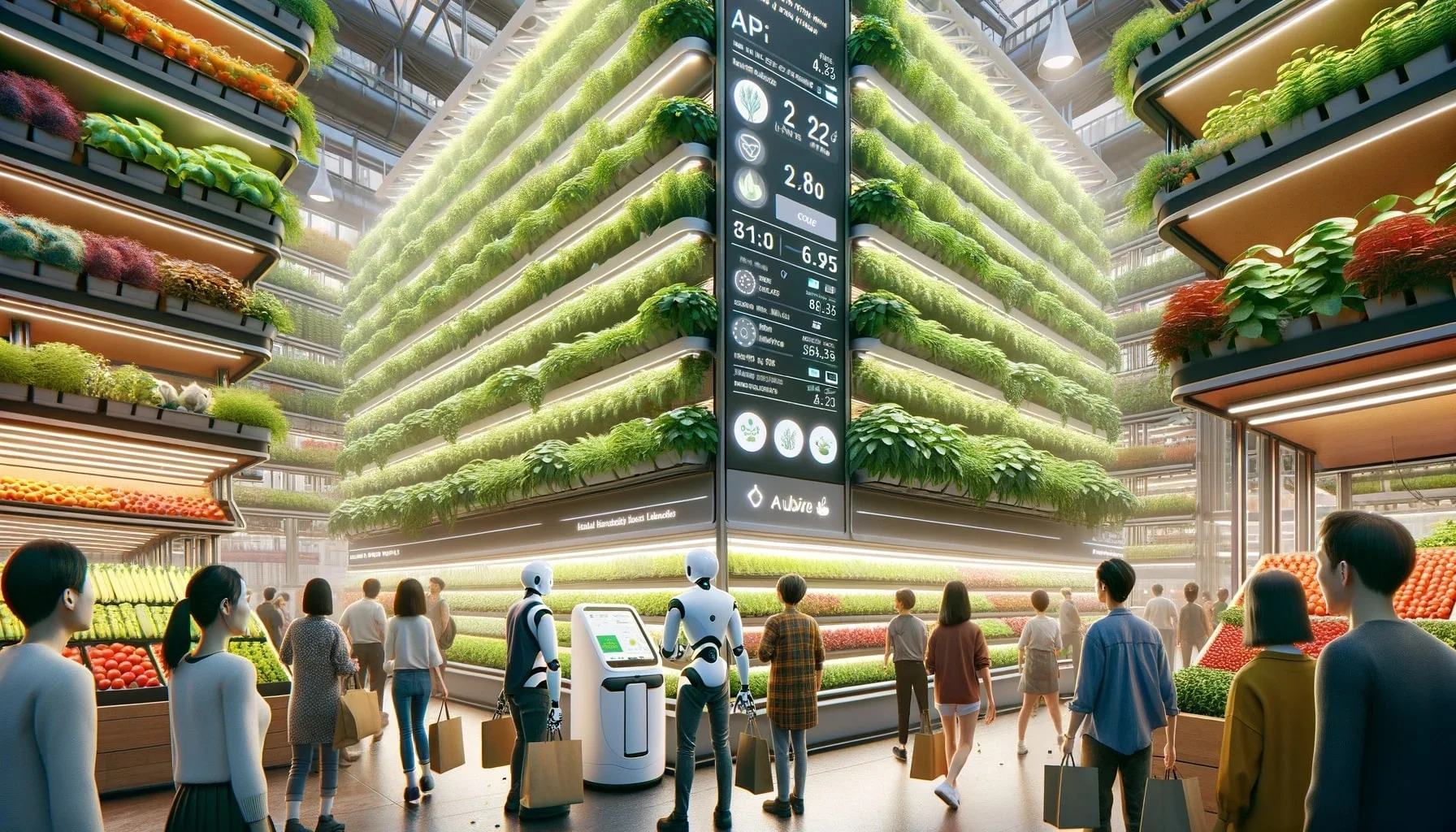
In cities around the world, a quiet but powerful transformation is taking place. Empty warehouses, abandoned factories, rooftop spaces, and even underground parking lots are being converted into high-tech farms. These farms do not spread across hundreds of acres. Instead, they grow upward in stacked layers, using LED lighting, climate controls, and soilless growing systems. The result is a fast-growing market for vertical farm city produce, and it is changing how urban consumers think about fresh food.
The boom is not simply a trend among technology enthusiasts. It is a response to real pressures: rising urban populations, climate uncertainty, fragile supply chains, and a growing demand for locally grown, pesticide-free food. Vertical farming offers a way to produce leafy greens, herbs, berries, and other crops close to the people who eat them. For city markets, this means fresher products, shorter delivery distances, and a new story to tell shoppers.
This article explores why vertical farm city markets are booming, how the technology works, what challenges remain, and what the future may hold. It also explains how consumers, investors, and local governments can understand this rapidly evolving sector.
What Exactly Is a Vertical Farm?
A vertical farm is an agricultural system that grows crops in stacked layers, often inside a controlled environment. Instead of relying on sunlight and soil, these farms use artificial lighting, nutrient-rich water, and precise climate management. The goal is to maximize production per square foot while reducing dependence on weather, pests, and long-distance transportation.
Vertical farms are a subset of controlled environment agriculture, or CEA. They may use hydroponics, where plant roots sit in nutrient solutions; aeroponics, where roots are misted with nutrients; or aquaponics, which combines fish farming with plant cultivation. Some vertical farms are fully enclosed and automated, while others use greenhouses with supplemental lighting.
The crops most commonly grown in vertical farms include lettuce, kale, basil, mint, microgreens, strawberries, and edible flowers. These crops have high market value, short growth cycles, and relatively low light requirements compared with staple grains. As technology improves, researchers are testing tomatoes, peppers, and even dwarf wheat, but the economics remain challenging for calorie-heavy crops.
Why City Markets Are Booming
The growth of vertical farm city markets is driven by several overlapping forces. These forces are not temporary. They reflect long-term changes in how people live, eat, and shop.
A. Urban population growth is increasing demand for fresh food in areas where land is scarce. More than half of the world’s population already lives in cities, and that share continues to rise. Feeding these dense areas requires creative solutions.
B. Climate change is making traditional farming more unpredictable. Droughts, floods, heat waves, and shifting pest patterns threaten outdoor harvests. Vertical farms offer a climate-resilient alternative because they are insulated from extreme weather.
C. Supply chain disruptions have exposed the risks of depending on distant producers. During the COVID-19 pandemic, many cities experienced empty shelves and delayed deliveries. Local vertical farms provided a more stable source of fresh produce.
D. Technology costs are falling. LED lighting, sensors, automation, and data analytics have become more affordable and efficient. What was once experimental is now commercially viable in many markets.
E. Consumer preferences are shifting toward local, sustainable, and transparent food. Shoppers want to know where their food comes from, how it was grown, and how far it traveled. Vertical farms can answer those questions clearly.
Together, these factors have created a fertile environment for vertical farming. Investors see growth potential, retailers see differentiation, and consumers see fresher options. The result is a market boom that spans North America, Europe, Asia, and the Middle East.
The Technology Stack Behind the Boom
Vertical farming is not just farming. It is a combination of agriculture, engineering, software, and logistics. The technology stack behind the boom includes several key components.
A. Hydroponics allows plants to grow without soil. Roots receive nutrients directly from water, which reduces water use and eliminates many soil-borne diseases. This method is widely used in commercial vertical farms.
B. Aeroponics takes water efficiency further by suspending roots in air and misting them with nutrient solution. It uses less water than hydroponics but requires precise monitoring to prevent drying.
C. Aquaponics integrates fish and plants in a closed loop. Fish waste provides nutrients for plants, and plants help filter the water for fish. This system can be complex but offers strong sustainability credentials.
D. LED lighting is designed to match the spectrum that plants need for photosynthesis. Modern LEDs are energy-efficient and can be tuned for different growth stages. This has been a major factor in improving profitability.
E. Automation and robotics handle seeding, transplanting, harvesting, and packaging. Automated systems reduce labor costs and improve consistency, which is essential for supplying city markets at scale.
F. Artificial intelligence and the Internet of Things monitor temperature, humidity, carbon dioxide, nutrients, and light. These systems can predict problems, optimize growth, and reduce waste.
G. Data analytics helps farmers decide what to grow, when to harvest, and how to price products. In a city market, timing is critical. Freshness and availability drive customer loyalty.
The technology stack is constantly evolving. As sensors become cheaper and machine learning becomes more powerful, vertical farms are becoming more productive and less risky. This attracts more investment, which further accelerates the boom.
Market Formats Driving Growth
Vertical farm city markets are not limited to one sales channel. They are expanding across multiple formats, each with its own advantages.
A. Grocery retail partnerships allow vertical farms to place branded produce in supermarkets and corner stores. This gives consumers easy access and builds brand recognition.
B. Restaurant and hotel supply contracts provide steady demand for high-quality herbs, greens, and garnishes. Chefs value consistency, freshness, and the story behind the product.
C. Subscription boxes and direct-to-consumer delivery bring vertical farm produce straight to homes. These services often include recipes, educational materials, and seasonal selections.
D. Public markets and food halls offer a physical presence where consumers can see, smell, and taste the produce. Farmers can educate shoppers about how vertical farming works.
E. Business-to-business sales to caterers, schools, hospitals, and corporate cafeterias create large-volume opportunities. These buyers often prioritize nutrition, food safety, and local sourcing.
F. On-site farm stands at airports, malls, and office buildings capture impulse buyers. A small vertical farm in a shopping center can become both a supplier and a marketing attraction.
Each format helps vertical farms reach different customer segments. The most successful operators often combine several channels to reduce risk and smooth out demand.
The Economic Case and Investment Climate
The economic case for vertical farming has improved, but it is not simple. A vertical farm can produce many times more lettuce per square foot than a conventional farm. It can harvest year-round, regardless of season. It can reduce transportation costs and food waste. These advantages can translate into higher margins for premium crops.
However, the upfront capital cost is high. Building a vertical farm requires real estate, lighting, HVAC systems, water treatment, automation, and software. Energy costs can be significant, especially in regions where electricity is expensive. Labor costs vary depending on the level of automation.
Investors have shown strong interest in the sector, but they are also becoming more selective. Early hype has given way to a focus on unit economics. Companies that can demonstrate consistent yields, low waste, and strong customer contracts are more likely to attract funding. Mergers and acquisitions are also increasing as larger players seek to scale.
The investment climate suggests that vertical farming is moving from a niche experiment to a mainstream industry. It will not replace conventional agriculture, but it can complement it by serving dense urban markets with perishable, high-value crops.
Environmental Promise and Trade-Offs
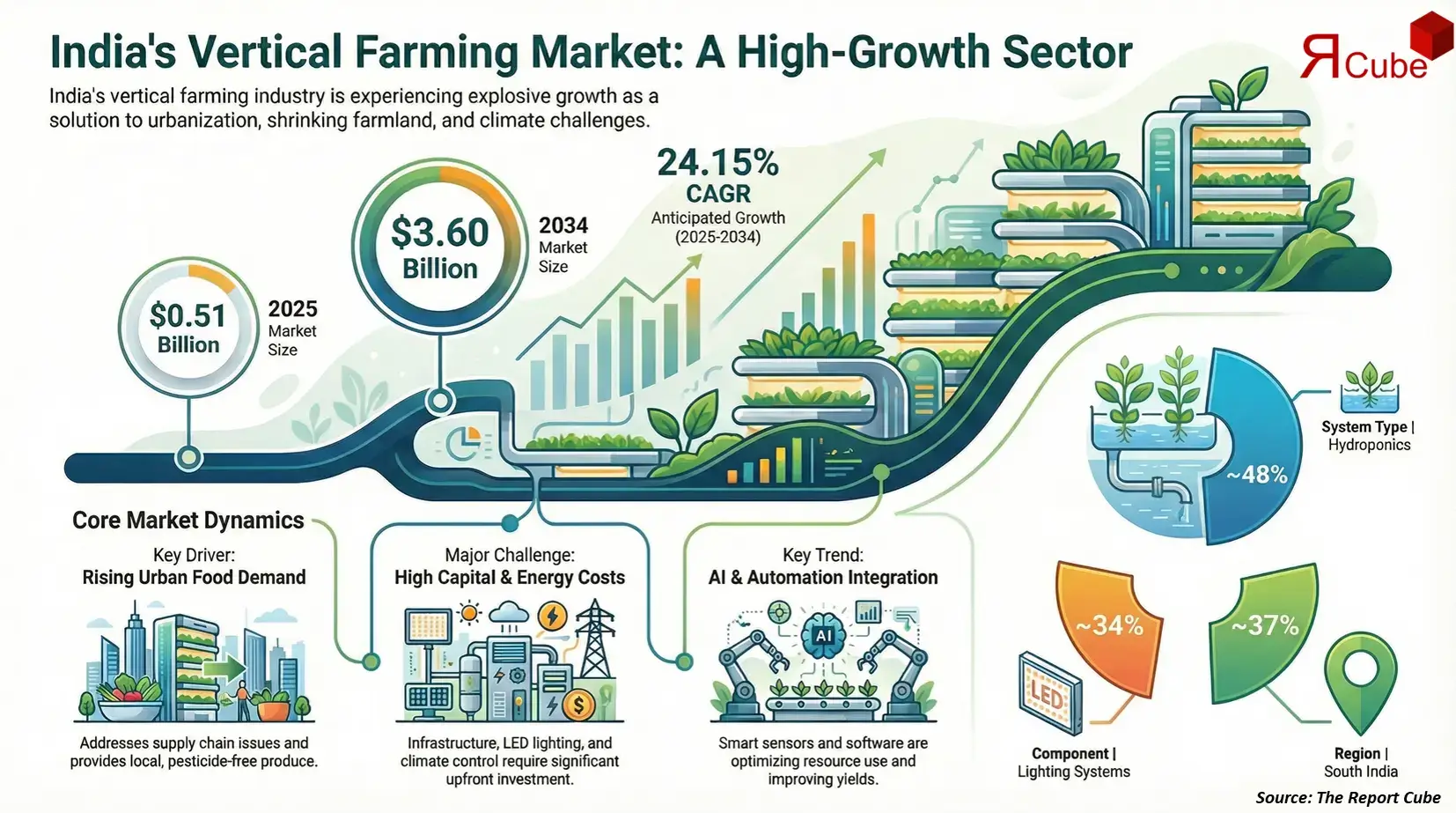
Vertical farming offers several environmental benefits. It uses far less water than traditional farming because water is recirculated. It avoids agricultural runoff that can pollute rivers and lakes. It reduces food miles, which lowers carbon emissions from transportation. It also uses land more efficiently, leaving more space for forests and natural ecosystems.
Yet vertical farming is not automatically green. The biggest concern is energy use. Artificial lighting and climate control require electricity. If that electricity comes from fossil fuels, the carbon footprint can be higher than expected. Renewable energy, battery storage, and waste heat recovery can improve the picture.
Another trade-off is crop selection. Vertical farms are well suited for leafy greens and herbs, but they are not efficient for staple crops like wheat, rice, and corn. These crops require large amounts of light and space. For now, vertical farming is best understood as a supplement to, not a replacement for, traditional agriculture.
Finally, vertical farms produce waste in the form of plant trimmings, packaging, and used growing media. Circular economy practices, such as composting and recyclable packaging, can reduce environmental impact. Consumers and regulators are increasingly asking for these practices.
Challenges That Could Slow the Boom
Despite rapid growth, vertical farming faces real challenges. Recognizing them is essential for sustainable success.
A. High energy consumption remains the largest operational cost. Farms in cold climates may spend more on heating, while farms in hot climates may spend more on cooling.
B. Capital intensity makes it difficult for small operators to enter the market. Even with falling technology costs, building a commercial farm requires significant investment.
C. Limited crop variety restricts revenue potential. Most vertical farms rely on a small number of leafy greens and herbs, which can lead to oversupply and price pressure.
D. Technical complexity requires skilled workers. Vertical farming needs people who understand plant science, engineering, and data analysis. Training programs are still catching up.
E. Regulatory frameworks are often unclear. Zoning laws, building codes, and food safety rules may not be designed for indoor agriculture. This can slow permitting and increase costs.
F. Consumer education is ongoing. Some shoppers still associate vertical farming with artificial food or high prices. Transparent communication can build trust.
These challenges do not mean the boom is over. They mean the industry is maturing. Companies that solve these problems will be the leaders of the next phase.
City Case Studies: Where the Boom Is Strongest
Several cities have become hubs for vertical farming. Their experiences offer lessons for others.
Singapore has limited land and imports most of its food. The government has set ambitious goals for local production, and vertical farms have become a key part of the strategy. Companies use rooftop spaces and industrial buildings to grow vegetables for supermarkets and restaurants.
Tokyo has a long history of precision agriculture and urban farming. Vertical farms in the city supply fresh greens to convenience stores and upscale restaurants. The dense population and high land values make efficient production essential.
New York City has seen vertical farms emerge in warehouses and industrial zones. These farms serve grocery stores, meal kit companies, and restaurants. The city’s diverse food culture creates demand for specialty greens and herbs.
London and other European cities are integrating vertical farms into mixed-use developments. Some farms are located near food markets, reducing delivery times and improving freshness.
Dubai and other Middle Eastern cities are investing in vertical farming to address water scarcity and food security. Controlled environment agriculture allows them to grow fresh produce in harsh climates.
These examples show that vertical farming can adapt to different urban contexts. The common thread is a combination of policy support, private investment, and consumer demand.
How Local Governments Can Support the Boom
Local governments can play a constructive role in supporting vertical farm city markets. They do not need to pick winners, but they can remove barriers and create incentives.
A. Modernize zoning laws to allow agricultural production in industrial, commercial, and mixed-use buildings. Clear rules reduce uncertainty for developers.
B. Offer tax incentives, grants, and low-interest loans for energy-efficient equipment and renewable energy. This lowers operating costs and improves sustainability.
C. Invest in workforce training programs that teach hydroponics, automation, and food safety. A skilled workforce attracts employers.
D. Use public procurement to buy local vertical farm produce for schools, hospitals, and government cafeterias. This provides stable demand and demonstrates support.
E. Support research and development through partnerships with universities and technical institutes. Innovation keeps the sector competitive.
F. Encourage circular economy practices by supporting composting, water recycling, and renewable energy projects.
When governments and businesses work together, vertical farming can become a reliable part of a city’s food system. It can create jobs, improve food security, and reduce environmental pressure.
What Consumers Should Know
For consumers, vertical farming offers fresh, local, and consistent produce. It also raises questions. Is it organic? Is it healthy? Is it affordable? The answers vary by producer and product.
Vertical farms often use no pesticides, which is a major advantage. They can produce clean, safe food with a short supply chain. However, they may use mineral nutrients rather than compost, so they are not always certified organic. Consumers should look for labels and ask questions.
Price is another consideration. Vertical farm produce can be more expensive than conventional options, especially for premium greens. As technology improves and scale increases, prices are expected to fall. In the meantime, consumers can support vertical farms by buying what fits their budget and values.
Finally, consumers should recognize that vertical farming is one part of a broader food system. It works best alongside traditional farms, community gardens, and regional agriculture. Diversity and resilience are key to a healthy food future.
The Future Outlook
The vertical farm city market boom is likely to continue. Several trends point in that direction.
Energy efficiency will improve. LED lighting, heat pumps, and renewable energy will reduce operating costs. Automation will lower labor costs and increase precision. Crop variety will expand as research advances. Integration with buildings will become more common, with farms in basements, rooftops, and unused retail spaces.
We may also see new business models. Some vertical farms may become energy providers, using waste heat for nearby buildings. Others may become data companies, selling insights about plant growth and supply chains. Partnerships between vertical farms and food brands will deepen.
The long-term vision is a city where fresh food is grown close to where it is eaten. Vertical farming will not replace the countryside, but it can make cities more self-reliant, more sustainable, and more resilient. The boom is not just about technology. It is about reimagining the relationship between cities and food.
Conclusion

Vertical farm city markets are booming because they address real needs. They bring fresh produce closer to consumers, reduce dependence on long supply chains, and offer a climate-resilient way to grow food. They are supported by advances in LED lighting, automation, and data analytics. They are attracting investment, partnerships, and policy attention.
At the same time, the industry faces challenges. Energy costs, capital intensity, limited crop variety, and regulatory uncertainty must be managed. The most successful vertical farms will be those that combine technical excellence with strong business models and transparent communication.
For cities, vertical farming offers a chance to build a more secure and sustainable food system. For consumers, it offers fresher, cleaner, and more local options. For investors, it offers a growing market with room for innovation. The vertical farm city market boom is more than a passing trend. It is a sign of how urban agriculture is shaping the future of food.